

EUROPAFI : banknotes, sustainability, and fiduciary security
Banknote Life® : inventing the banknote of tomorrow, sustainable and responsible
With Banknote Life®, the Banque de France is embarking on a profound transformation of the banknote industry. Our ambition goes beyond simply reducing the carbon footprint of banknotes: we are also taking action on their overall environmental footprint and their impact on biodiversity.
From the selection of raw materials to the modernisation of our industrial sites, and from the sustainability of banknotes in circulation to their end of life, we are taking a holistic approach:
- reducing greenhouse gas emissions,
- preserving natural resources (water, energy, fibres),
- protecting ecosystems,
- and developing a truly circular economy around banknotes.
Banknote Life® is the promise of a banknote designed to last, respectful of the planet and a source of value for future generations.
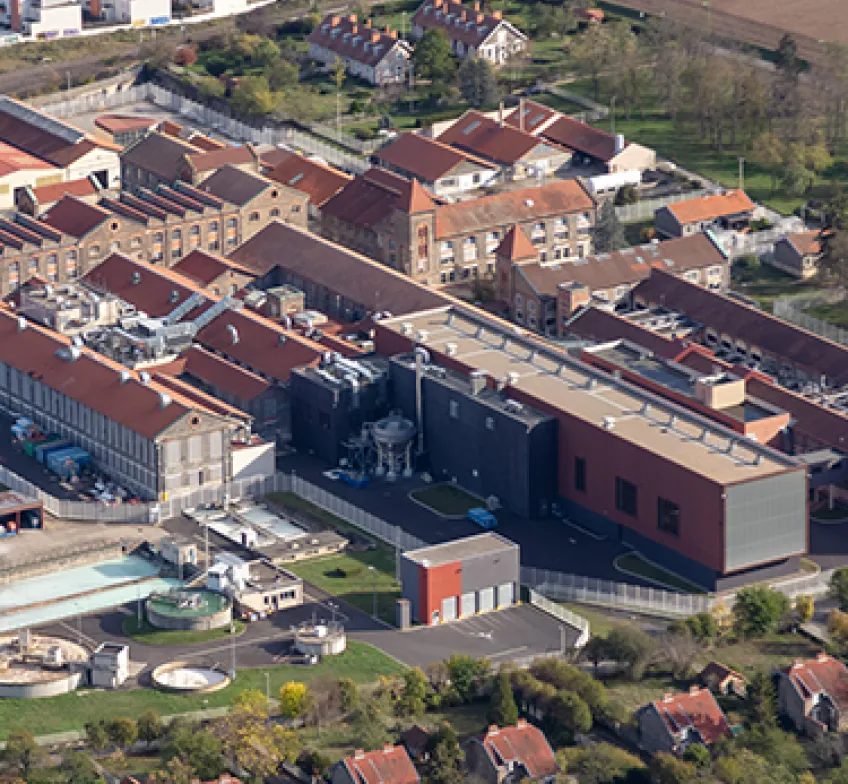
Banknote production centre
EUROPAFI, a public paper mill and subsidiary of the Banque de France, is part of a strict Eurosystem framework for the production of banknotes. Each stage of the production chain is governed by security standards, rigorous quality controls and the integration of security features.

Responsible banknote paper and raw materials
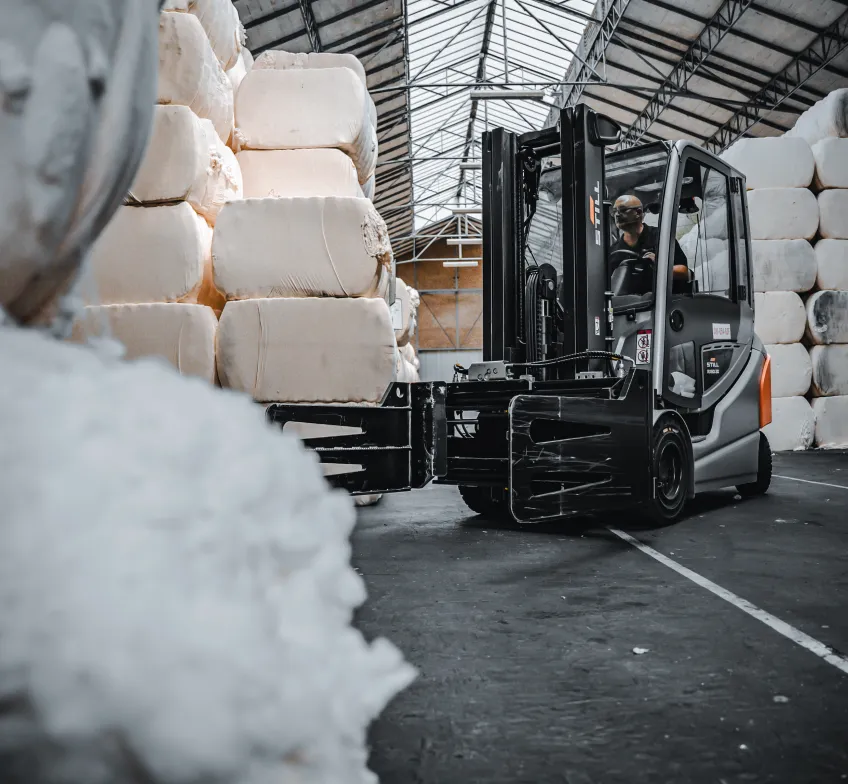
The life of a banknote begins even before it is printed, with the choice of banknote paper and the fibres used. This material must combine durability, mechanical performance and the integration of security features to ensure the trustworthiness of the currency.
For a long time, cotton was the fibre of choice. However, its cultivation requires a lot of water and chemicals, which puts a lot of pressure on the soil. Even organic cotton, despite its advantages, remains limited by its low yields.
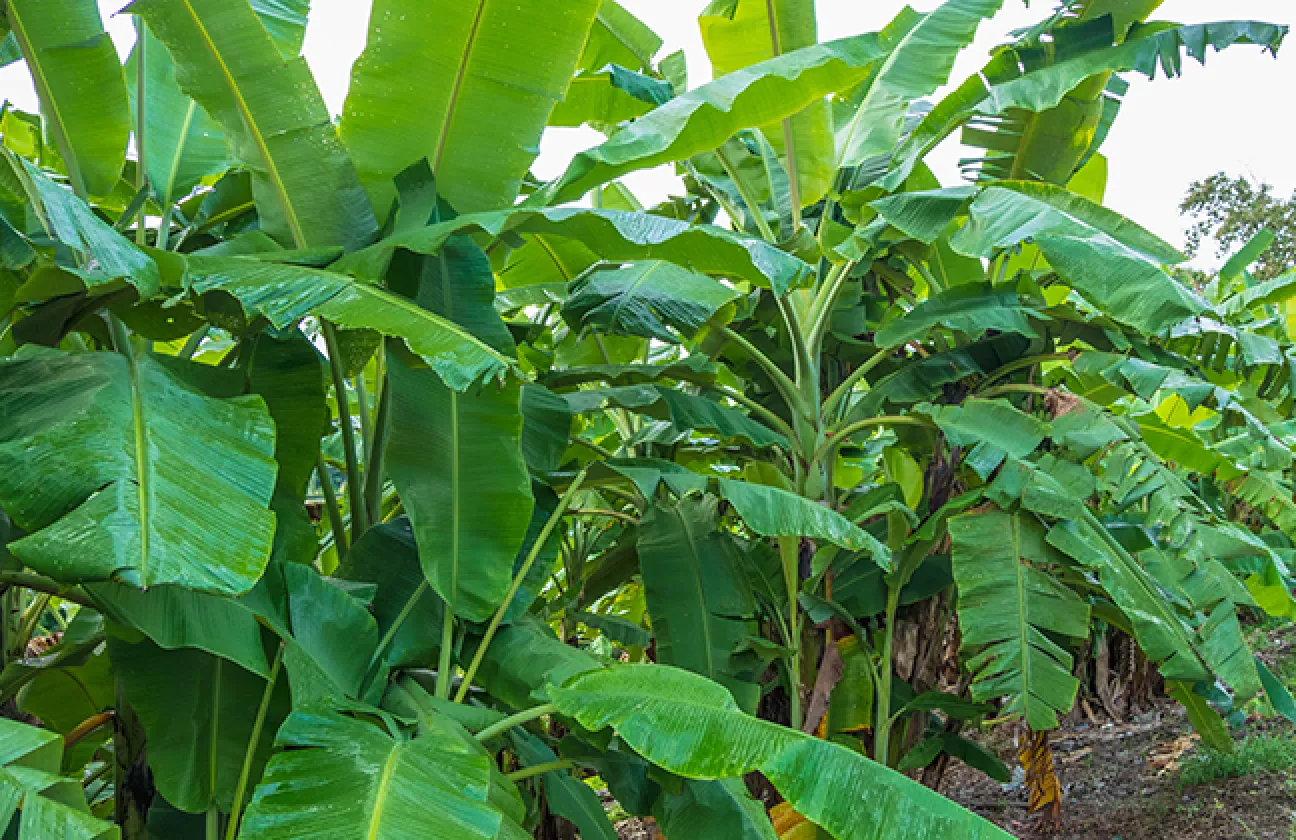
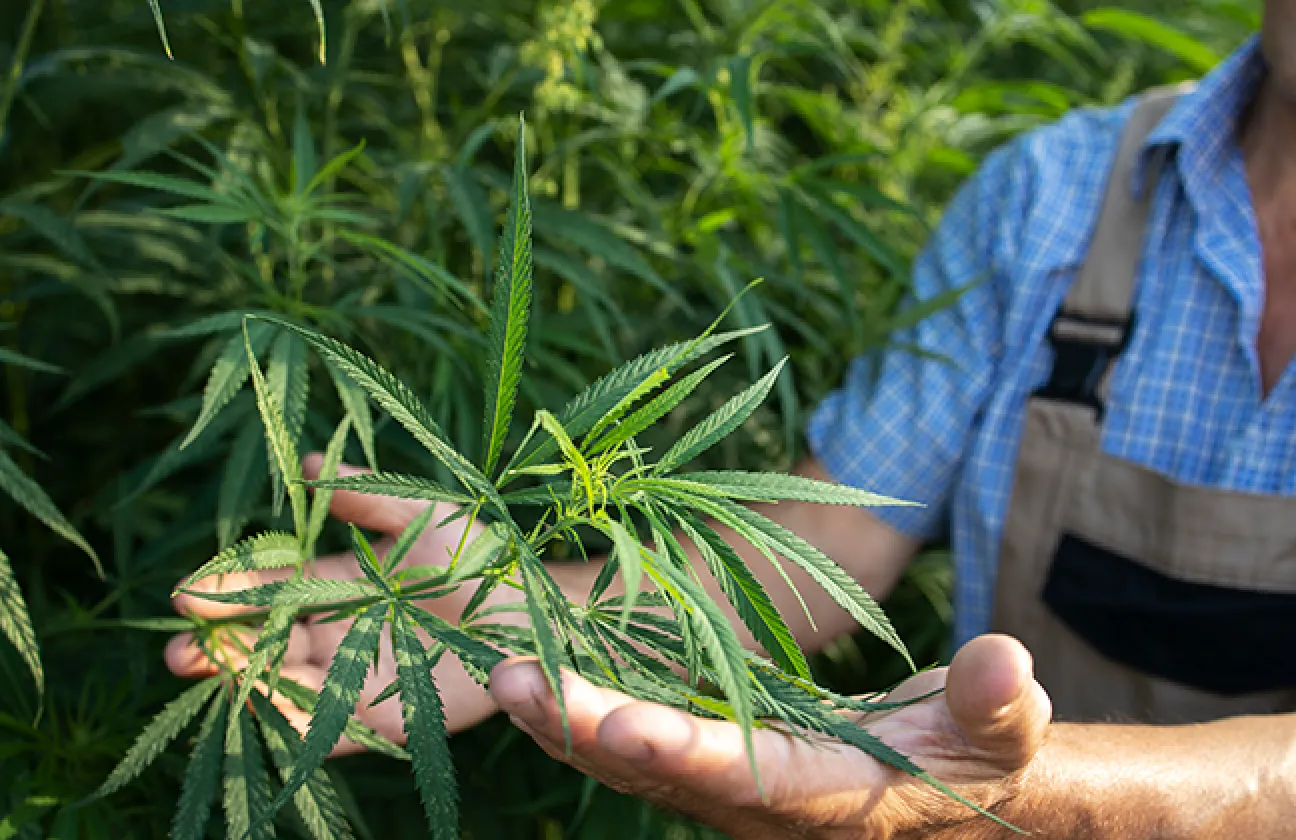
To reduce this impact, Europafi is exploring and implementing sustainable alternatives: hemp and flax, which are water-efficient and grown in France, and offer high paper-making performance. Other solutions – wood or agro-sourced fibres – are also being studied in order to diversify resources and give European central banks appropriate choices between technical performance, cost and environmental impact.

Banknotes : towards greener production
At the paper mill, we have reduced our water consumption by 45% in five years through internal recycling and process optimisation.
In terms of energy, the modernisation of equipment and the fine-tuning of installations have enabled a 25% reduction since 2019. This effort is bolstered by the advantage of the French electricity mix, which is low in carbon emissions and reduces the ecological footprint of banknote production.
The Refondation project in the Auvergne, next to Europafi, illustrates this approach: a new banknote printing plant designed to be a sustainable ecosystem. HQE-certified, equipped with state-of-the-art heat pumps and incorporating concrete actions to preserve local biodiversity, it aims to halve greenhouse gas emissions compared to 2019.
and environmental impact.
Banknotes designed to last
A sustainable banknote is one that stays in circulation longer. Fewer reprints, less transport, less waste: all of which benefit the environment.
To extend their life cycle, Europafi is developing two innovative solutions :
- LongerFit®, a surface treatment that improves resistance to dirt, moisture and oils, while retaining the authentic feel of the banknote.
- EverFit®, a technology applied to 100% natural fibre banknotes, which triples their lifespan and strengthens their mechanical resistance.
These innovations reduce the carbon footprint, ensure the quality of banknotes throughout their circulation and optimise the logistics of the cash industry.
From end of life to a second life : the circular economy by Banknote Life®
A banknote at the end of its life is not waste, but a resource.
Shredded banknotes are recycled in two ways :
- 100% paper process, transformed by compounding with recycled plastics,
- EverFit® process (cotton and polymer), recycled using heat compression to manufacture sustainable objects.
These processes can be used to create reusable logistics pallets, as well as innovative projects such as the Billex® chair, made from shredded banknotes.
With Banknote Life®, the end of a banknote's life becomes the beginning of a second life: technical panels, everyday objects or materials for interior design are just some of the applications that illustrate a concrete and environmentally friendly circular economy.
FAQ – Banknote life cycle and production
Banknotes are made from paper, composed of natural fibres such as cotton. Today, Europafi and the Banque de France are exploring more sustainable alternatives such as hemp and flax, which require less water and are grown locally, in order to reduce environmental impact while ensuring performance and security.
In France, banknotes are produced by Europafi (banknote paper) and the Banque de France printing works. With the Refondation project, based in Auvergne, the Banque de France is setting up the most environmentally friendly banknote production centre in Europe, combining industrial innovation and environmental excellence.